

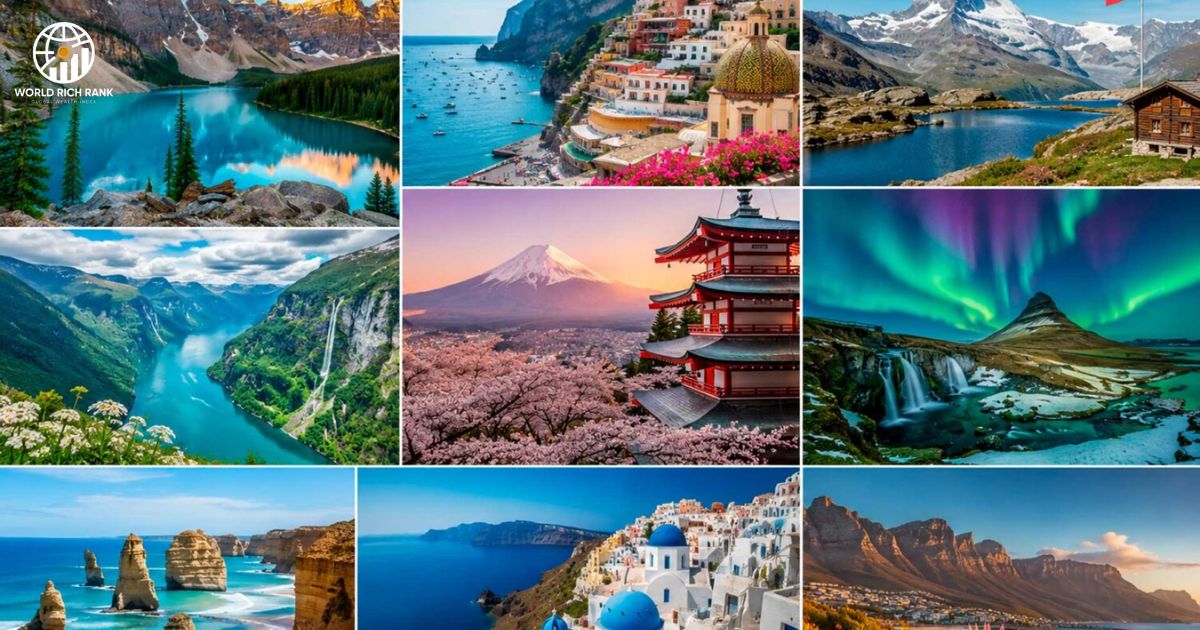
Beauty can be found in many forms, from dramatic mountain ranges and turquoise coastlines to peaceful villages, lush forests, and historic cities. In 2026, travelers have more destinations than ever to explore, but some countries consistently stand out for their incredible landscapes, rich cultures, and unforgettable scenery. This guide explores the most beautiful countries in the world and what makes each one special.
Choosing the most beautiful country is ultimately a matter of personal preference because every destination offers something different. Some travelers may prefer snow-covered peaks and alpine lakes, while others are drawn to tropical beaches, ancient architecture, or colorful countryside. The following list highlights 10 countries that combine breathtaking natural beauty with unique cultural and travel experiences.
Trending Today ;Best Countries to Retire in 2026: Top Places Ranked by Cost, Healthcare & Visas
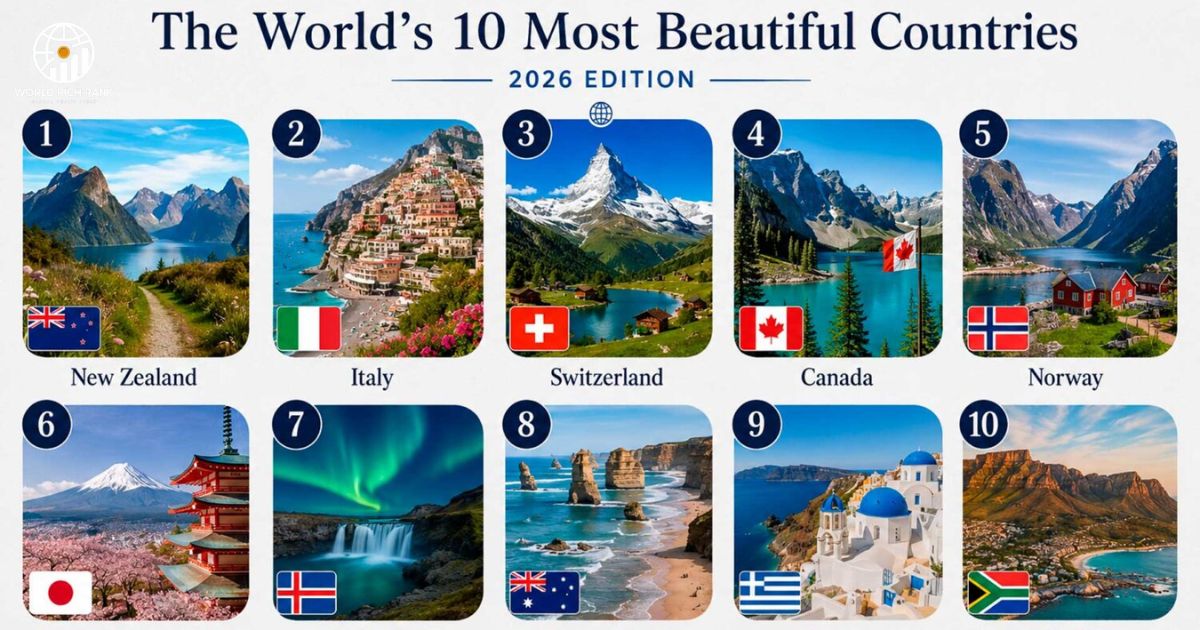
Top 10 most beautiful countries in the world
1. New Zealand — Best for pure natural scenery
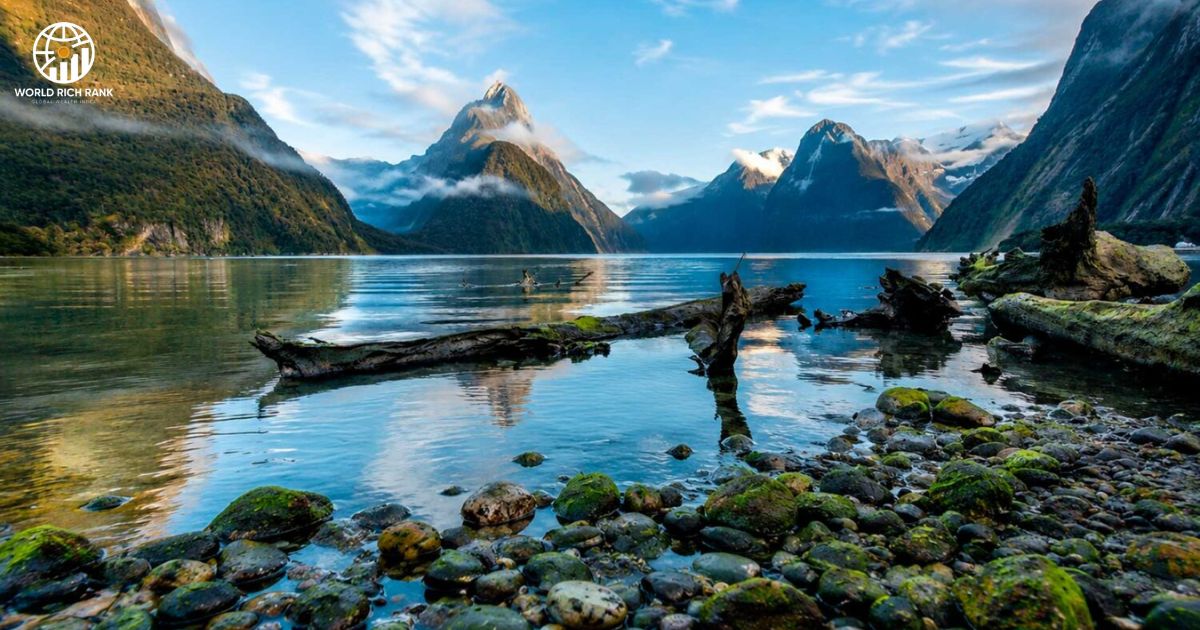
New Zealand is a dream destination for travelers who want dramatic landscapes in one country. From snow-covered mountains and turquoise lakes to lush forests, rugged coastlines, and volcanic terrain, its scenery feels remarkably diverse. The South Island is especially famous for breathtaking alpine views, while the North Island offers geothermal areas, beaches, rolling farmland, and volcanic landscapes. Its relatively untouched appearance and variety make it a standout choice for anyone searching for the most beautiful countries in the world.
Why New Zealand ranks #1: New Zealand combines an extraordinary range of natural landscapes with excellent opportunities to experience them by road, foot, boat, and air. Few destinations offer such dramatic scenery within relatively short travel distances.
Best scenery: Fiordland, Milford Sound, Aoraki/Mount Cook, Lake Tekapo, and the Southern Alps.
Most unique landscape: The volcanic and geothermal scenery around Rotorua and the North Island.
Best scenic road trip: The South Island route through Queenstown, Glenorchy, Milford Sound, and the West Coast.
Best season for scenery: Spring and autumn offer beautiful colors and comfortable conditions, while summer is ideal for long scenic drives and outdoor activities.
Best for: Hikers, photographers, road trippers, nature lovers, and adventure travelers.
Main downside: Long distances between some attractions and generally high travel costs can make a New Zealand trip expensive.
Our verdict: If breathtaking natural scenery is your top priority, New Zealand is one of the strongest choices in the world. Its combination of mountains, lakes, forests, beaches, glaciers, and fjords makes almost every journey visually memorable.
2. Italy — Best combination of nature and culture
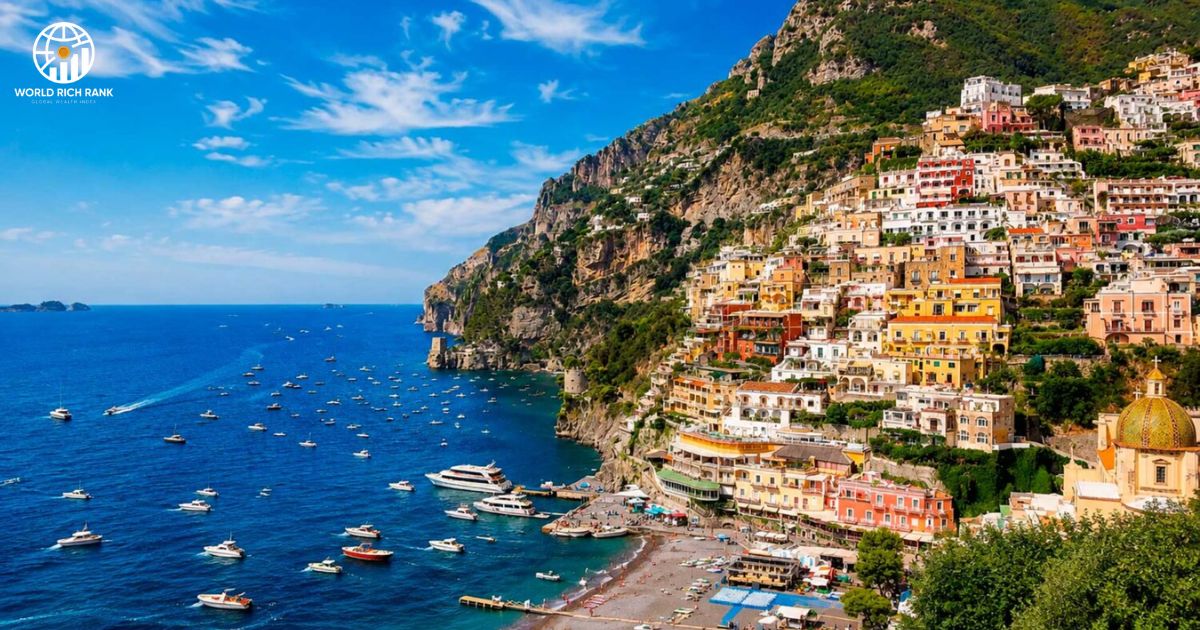
Italy stands out because its beauty goes far beyond famous cities and historic landmarks. The country combines spectacular coastlines, rolling vineyards, dramatic mountains, peaceful lakes, and charming countryside with centuries of art, architecture, food, and history. From the colorful villages of the Amalfi Coast to the green hills of Tuscany and the snow-capped Dolomites, Italy offers an impressive variety of scenery within a relatively compact destination. This balance makes it one of the most beautiful countries in the world for travelers who want both natural and cultural experiences.
Why Italy ranks #2: Italy offers an exceptional mix of natural landscapes and cultural treasures. Travelers can explore ancient ruins, Renaissance cities, medieval villages, and beautiful coastlines without giving up opportunities to enjoy mountains and countryside.
Best scenery: The Amalfi Coast, Dolomites, Lake Como, Tuscany, and the Italian Lakes region.
Most unique landscape: The dramatic cliffs, colorful villages, and deep blue waters of the Amalfi Coast.
Best scenic road trip: A Tuscany road trip through Florence, Siena, Val d’Orcia, and the surrounding hill towns.
Best season for scenery: Spring and early autumn bring pleasant weather, green landscapes, and beautiful countryside views.
Best for: History lovers, food enthusiasts, photographers, couples, art lovers, and travelers seeking variety.
Main downside: Popular destinations can become crowded and expensive, particularly during the summer months.
Our verdict: Italy is an outstanding choice for travelers who want breathtaking scenery combined with world-class culture, history, architecture, and cuisine.
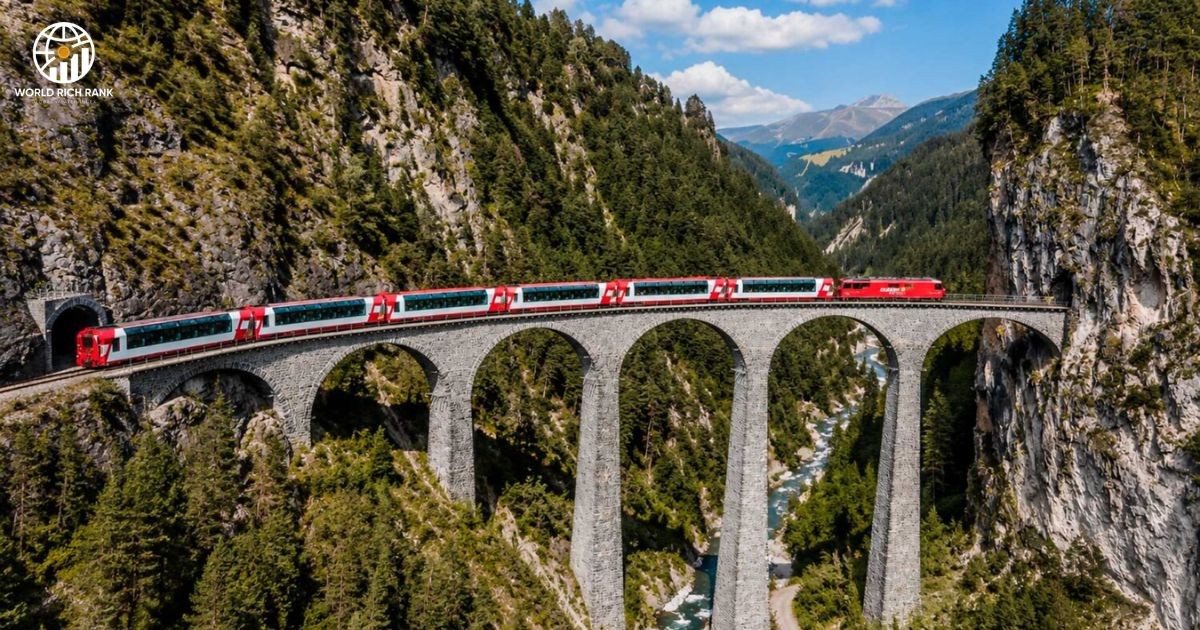
3. Switzerland — Best for accessible mountain scenery
Switzerland is famous for its postcard-perfect combination of snow-covered peaks, crystal-clear lakes, green valleys, and charming alpine villages. What makes the country especially impressive is how easy it is to experience these landscapes. Travelers can reach high mountain viewpoints by trains, cable cars, and well-connected roads, making Switzerland an excellent choice even for visitors who do not want challenging hikes. From the Matterhorn and Jungfrau region to the peaceful shores of Lake Lucerne, the scenery is consistently spectacular.
Why Switzerland ranks so highly: Switzerland combines extraordinary alpine beauty with excellent infrastructure, allowing travelers to enjoy mountains, lakes, and villages without spending days on difficult journeys.
Best scenery: The Swiss Alps, Lake Lucerne, Lauterbrunnen Valley, Zermatt, and the Jungfrau region.
Most unique landscape: Lauterbrunnen Valley, surrounded by dramatic cliffs, waterfalls, and towering alpine peaks.
Best scenic journey: The Glacier Express, which crosses spectacular mountain landscapes between Zermatt and St. Moritz.
Best season for scenery: Summer offers lush valleys and clear mountain views, while winter creates a magical snow-covered landscape.
Best for: Mountain lovers, photographers, train enthusiasts, hikers, couples, and first-time alpine travelers.
Main downside: Switzerland can be expensive, especially for accommodation, transportation, dining, and activities.
Our verdict: Switzerland is one of the world’s best destinations for accessible mountain scenery, offering spectacular views with remarkably convenient ways to experience them.
4. Canada — Best for scale and wilderness
Canada earns its place among the world’s most beautiful countries through its enormous scale and remarkable wilderness. From the rugged Rocky Mountains and turquoise alpine lakes to dense forests, dramatic coastlines, and vast northern landscapes, the country offers scenery on a truly impressive scale. Its national parks provide countless opportunities to experience nature, while cities such as Vancouver and Quebec City add cultural variety to a trip. Whether you prefer mountains, lakes, forests, or wildlife, Canada offers an extraordinary range of landscapes.
Why Canada ranks in the Top 5: Canada combines immense wilderness with diverse landscapes that stretch across a vast territory. Its protected natural areas provide some of the most spectacular outdoor experiences anywhere.
Best scenery: Banff, Jasper, the Canadian Rockies, Vancouver Island, and the turquoise lakes of Alberta.
Most unique landscape: The Canadian Arctic, where glaciers, tundra, rugged coastlines, and vast open wilderness create an otherworldly setting.
Best scenic road trip: The Icefields Parkway between Banff and Jasper, known for dramatic mountain views, glaciers, lakes, and forests.
Best season for scenery: Summer offers accessible mountain trails and vibrant landscapes, while autumn brings spectacular colors in many regions.
Best for: Nature lovers, hikers, photographers, wildlife enthusiasts, and adventure travelers.
Main downside: Canada is enormous, so traveling between major scenic regions can require considerable time and money.
Our verdict: Canada is an exceptional choice for travelers who want vast wilderness, dramatic mountains, and a genuine sense of space.

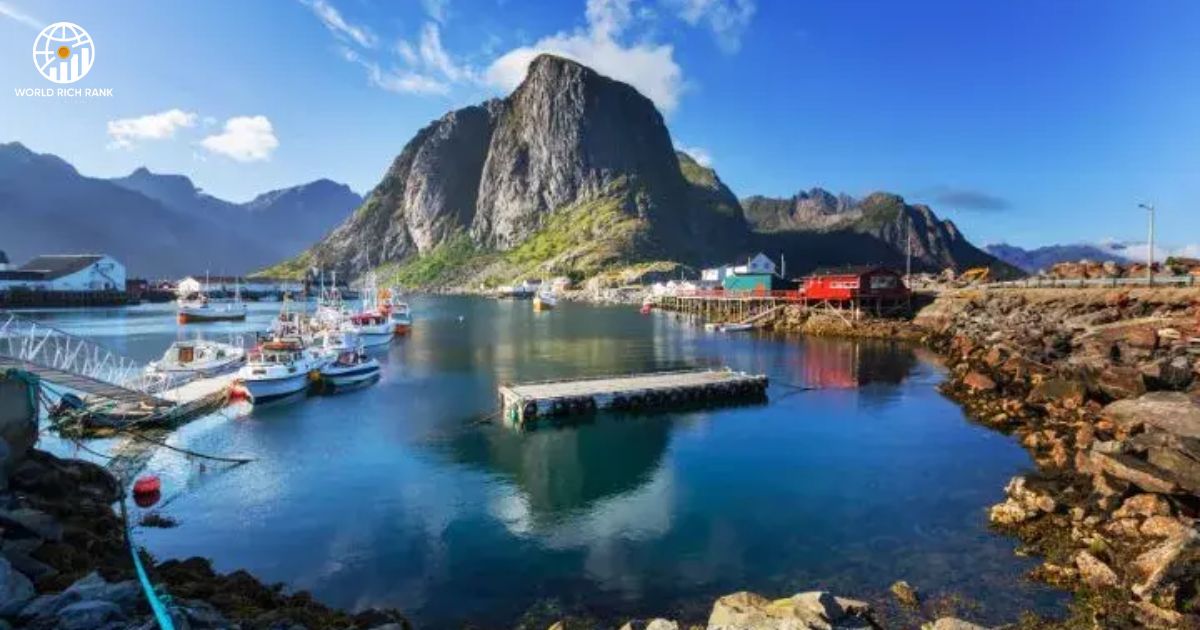
5. Norway — Best for dramatic coastal scenery
Norway is one of the world’s most visually striking destinations, particularly for travelers drawn to rugged coastlines and dramatic mountain landscapes. Its famous fjords cut deep into the country, creating spectacular combinations of steep cliffs, waterfalls, deep blue water, and green valleys. Beyond the fjords, Norway offers peaceful fishing villages, Arctic landscapes, glaciers, forests, and long stretches of scenic coastline. The country’s natural beauty changes dramatically with the seasons, giving travelers very different experiences throughout the year.
Why Norway makes the Top 5: Norway’s combination of enormous fjords, towering mountains, waterfalls, and Arctic scenery creates landscapes that are difficult to find elsewhere.
Best scenery: Geirangerfjord, Nærøyfjord, Lofoten Islands, and the Hardangerfjord region.
Most unique landscape: The Lofoten Islands, where sharp mountains rise directly from the sea alongside colorful fishing villages and sheltered beaches.
Best scenic road trip: The Atlantic Ocean Road, which connects small islands and coastal landscapes through a series of bridges and dramatic viewpoints.
Best season for scenery: Summer offers long daylight hours and easier access to outdoor attractions, while winter provides snowy landscapes and opportunities to see the northern lights.
Best for: Hikers, photographers, road trippers, nature lovers, and adventure travelers.
Main downside: Norway can be expensive, particularly for accommodation, transportation, and dining.
Our verdict: Norway is an outstanding choice for dramatic coastal scenery, especially if fjords, mountains, and wild landscapes are high on your travel list.
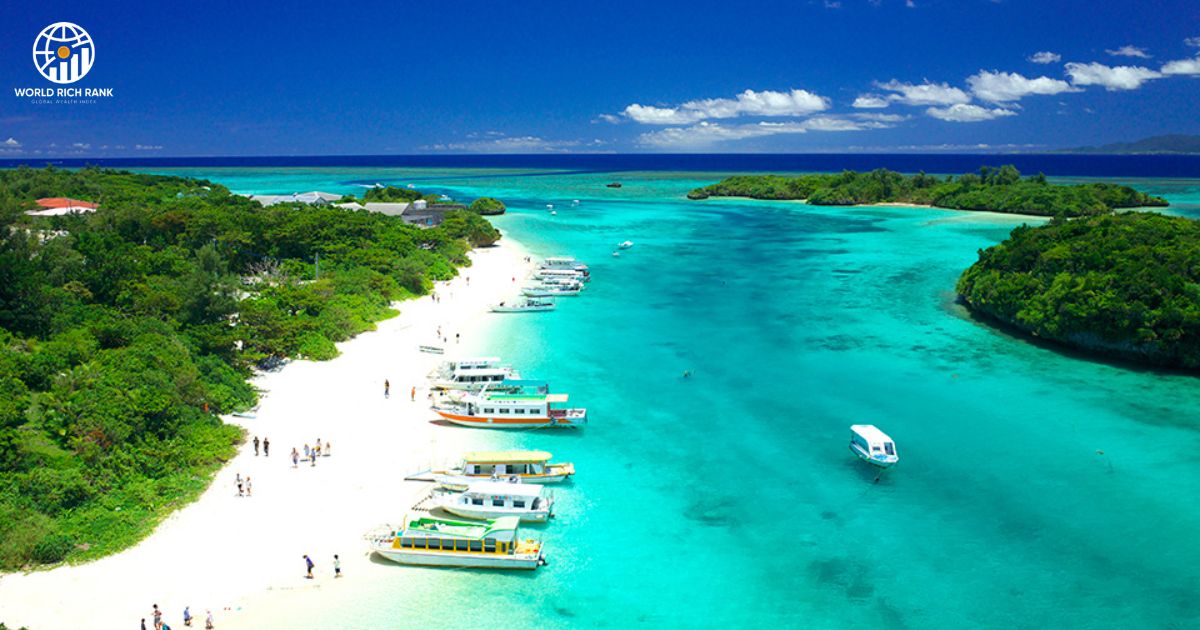
6. Japan — Best for seasonal beauty
Japan offers a unique kind of beauty that changes dramatically throughout the year. Spring brings delicate cherry blossoms, summer fills the countryside with lush greenery, autumn transforms forests and mountains with vibrant colors, and winter creates peaceful snow-covered landscapes. Alongside its natural scenery, Japan adds ancient temples, traditional gardens, historic villages, and modern cities, creating a fascinating contrast between nature and culture. This combination makes Japan a strong choice for travelers looking for a destination that feels different in every season.
Why Japan ranks in the Top 10: Japan combines diverse natural scenery with centuries of architecture, traditions, gardens, and cultural heritage. Few countries create such a seamless connection between seasonal landscapes and everyday life.
Best scenery: Mount Fuji, Kyoto’s temple districts, Hokkaido, the Japanese Alps, and the colorful forests of Nikko.
Most iconic landscape: Mount Fuji surrounded by lakes, forests, and traditional Japanese scenery is arguably the country’s most recognizable view.
Best scenic journey: The route through the Japanese Alps, particularly between Tokyo, Matsumoto, Takayama, and Kanazawa, offers mountains, traditional villages, and changing landscapes.
Best season for scenery: Spring is famous for cherry blossoms, while autumn is excellent for colorful foliage. Winter is particularly beautiful in northern Japan and the mountains.
Best for: Photographers, culture lovers, food enthusiasts, nature travelers, couples, and anyone who enjoys seasonal experiences.
Main downside: Popular attractions can become extremely crowded during cherry blossom season and major holiday periods.
Our verdict: Japan is one of the best countries for travelers who want natural beauty that changes with the seasons while also experiencing remarkable culture, history, and architecture.
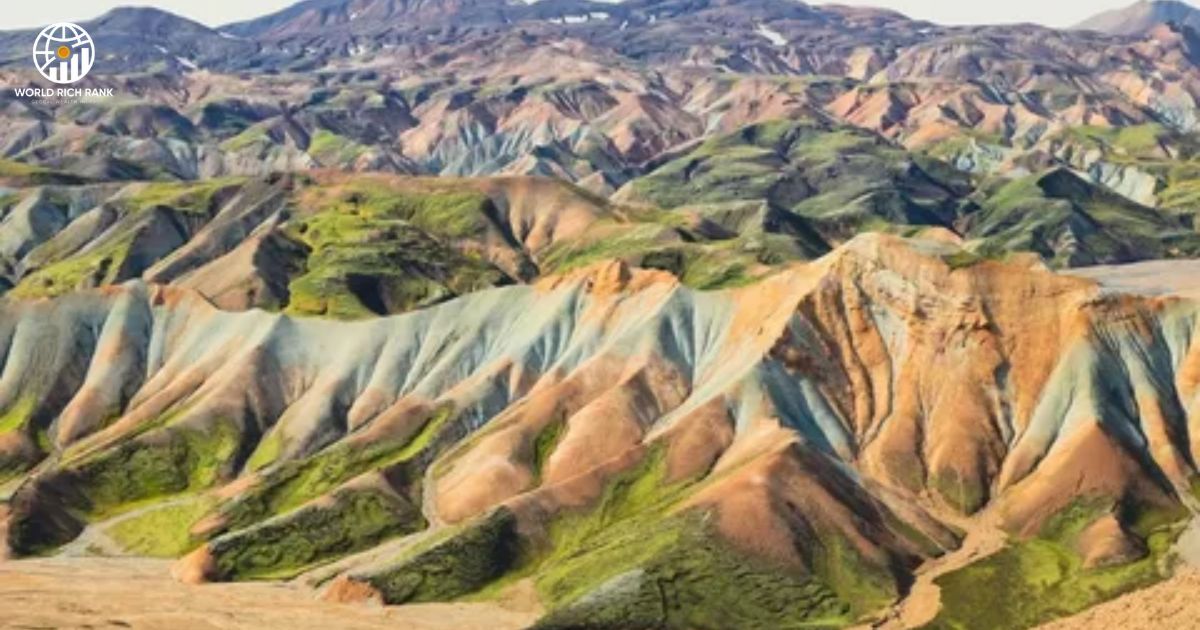
7. Iceland — Best for otherworldly landscapes
Iceland looks unlike almost anywhere else on Earth, making it a standout among the most beautiful countries in the world. The country combines glaciers, black-sand beaches, volcanoes, waterfalls, lava fields, geothermal pools, and rugged mountains within a relatively small area. Its unusual geology gives many places a dramatic, almost otherworldly appearance. Travelers can move from icy landscapes to steaming geothermal areas and powerful waterfalls in the same day.
Why Iceland makes the Top 10: Iceland offers an extraordinary concentration of natural wonders, with volcanic and glacial landscapes creating scenery that feels completely unique.
Best scenery: The South Coast, Jökulsárlón glacier lagoon, Skógafoss, and the Snæfellsnes Peninsula.
Most unique landscape: The black-sand beaches and volcanic terrain around Vík create some of Iceland’s most distinctive views.
Best scenic road trip: The Ring Road, which circles much of the country and connects waterfalls, glaciers, beaches, mountains, and geothermal areas.
Best season for scenery: Summer provides long daylight hours and easier access to remote areas, while winter offers snowy landscapes and opportunities to see the northern lights.
Best for: Adventure travelers, photographers, road trippers, hikers, and nature lovers.
Main downside: Weather can change quickly, and accommodation and transportation can be expensive.
Our verdict: Iceland is an excellent choice for travelers seeking dramatic, unusual scenery that feels unlike a traditional vacation landscape.
8. Australia — Best for landscape diversity
Australia earns its place among the most beautiful countries in the world because of its extraordinary variety of landscapes. Travelers can find golden beaches, tropical rainforests, rugged mountains, vast deserts, dramatic coastlines, and unique wildlife across the country. The Great Barrier Reef offers spectacular underwater scenery, while places such as the Blue Mountains and the red landscapes of the Outback provide completely different experiences. This incredible diversity means that Australia can appeal to travelers with very different ideas of natural beauty.
Why Australia makes the Top 10: Australia combines an enormous range of natural environments with distinctive wildlife and some of the world’s most recognizable coastal and wilderness landscapes.
Best scenery: The Great Barrier Reef, Great Ocean Road, Blue Mountains, Tasmania, and the beaches of Western Australia.
Most unique landscape: Uluru and the surrounding red desert landscapes of the Northern Territory offer a striking combination of color, geology, and cultural significance.
Best scenic road trip: The Great Ocean Road in Victoria, with dramatic cliffs, ocean views, beaches, forests, and the famous Twelve Apostles.
Best season for scenery: Spring and autumn are generally excellent for exploring many regions comfortably, although the ideal season varies significantly across Australia’s different climates.
Best for: Beach lovers, road trippers, wildlife enthusiasts, divers, hikers, and outdoor adventurers.
Main downside: Australia’s huge size means traveling between major attractions can take considerable time and can add significantly to trip costs.
Our verdict: Australia is a superb choice for travelers who want maximum landscape variety, from tropical reefs and beaches to forests, mountains, and vast desert scenery.

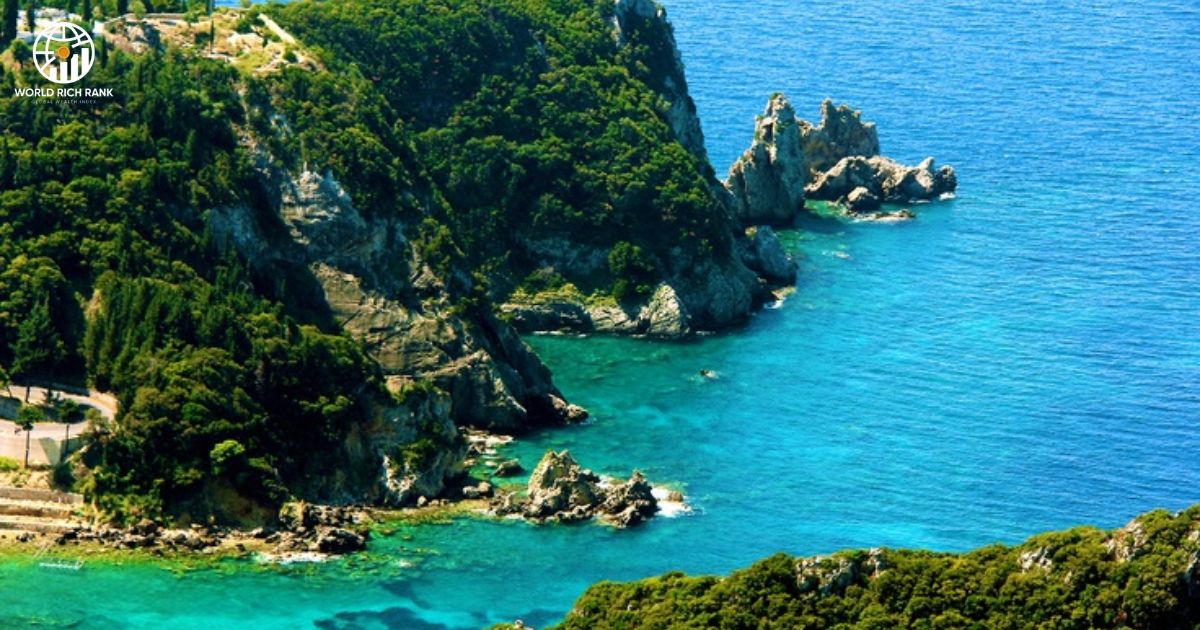
9. Greece — Best for island scenery
Greece is an exceptional destination for travelers who believe the most beautiful landscapes are found beside the sea. Its combination of clear blue water, whitewashed villages, rocky cliffs, sandy beaches, ancient ruins, and Mediterranean countryside creates some of Europe’s most recognizable coastal scenery. With thousands of islands and a long mainland coastline, Greece offers plenty of variety, from lively destinations to quiet villages and secluded beaches. Its natural beauty also blends effortlessly with its ancient history and relaxed island lifestyle.
Why Greece makes the Top 10: Greece combines spectacular coastlines with beautiful islands, historic sites, charming villages, and a warm Mediterranean atmosphere.
Best scenery: Santorini, Milos, Crete, Corfu, Zakynthos, and the mainland coast.
Most unique landscape: Santorini’s volcanic cliffs, white buildings, and deep-blue Aegean views create one of Greece’s most iconic landscapes.
Best scenic road trip: Crete offers an excellent road trip, combining mountain villages, rugged coastlines, beaches, gorges, and historic towns.
Best season for scenery: Late spring and early autumn offer pleasant temperatures, fewer crowds, and beautiful coastal conditions.
Best for: Beach lovers, island hoppers, photographers, couples, history enthusiasts, and Mediterranean travelers.
Main downside: Popular islands can become very crowded and expensive during the peak summer season.
Greece is the best choice here if coastline is your priority. Norway’s coast is more dramatic; Greece’s is easier to combine with sunny beaches, swimming, historic sites, local food, and relaxed island experiences.
Our verdict: Greece is an ideal choice for travelers who want beautiful coastlines with culture, history, and an easygoing Mediterranean atmosphere.
10. South Africa — Best for scenery plus wildlife
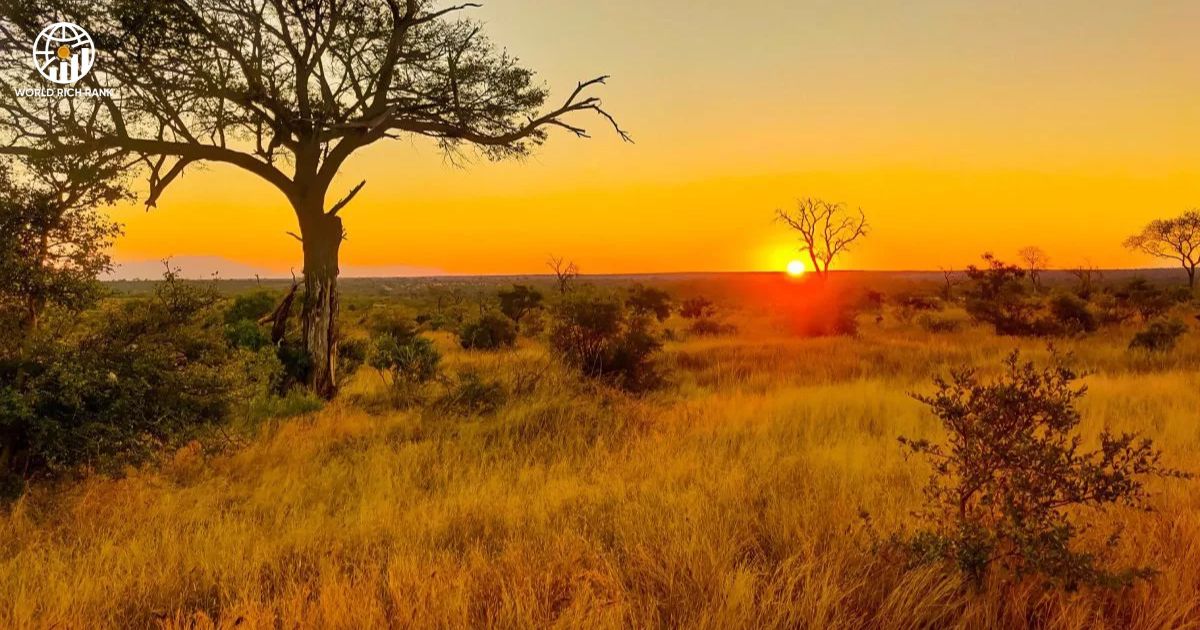
South Africa rounds out the list of the most beautiful countries in the world by offering an impressive combination of landscapes and wildlife. Few destinations allow travelers to experience dramatic coastlines, rugged mountains, vineyards, forests, beaches, and open savannahs within one trip. The country is also famous for its diverse wildlife, making it possible to combine spectacular scenery with unforgettable safari experiences. From Cape Town’s mountain-and-ocean views to the wilderness of Kruger National Park, South Africa provides remarkable variety for adventurous travelers.
Why South Africa makes the Top 10: South Africa combines natural beauty and wildlife exceptionally well. Travelers can move from beaches and mountains to vineyards and safari landscapes without leaving the country.
Best scenery: Cape Town and Table Mountain, the Garden Route, the Drakensberg Mountains, the Cape Winelands, and the coast of KwaZulu-Natal.
Most unique landscape: The meeting of mountains, ocean, and city around Cape Town creates one of the country’s most memorable settings.
Best scenic road trip: The Garden Route, stretching along the southern coast, offers forests, beaches, cliffs, lagoons, and charming coastal towns.
Best season for scenery: Spring is particularly beautiful in parts of the Western Cape, while the dry winter months are excellent for wildlife viewing in many safari regions.
Best for: Safari enthusiasts, photographers, road trippers, hikers, beach lovers, and travelers seeking diverse experiences.
Main downside: The country is large, and some areas require careful planning for transportation and personal safety.
Our verdict: South Africa is an outstanding choice for travelers who want spectacular scenery with the added excitement of seeing iconic African wildlife in its natural environment.
How to choose between the world’s most beautiful countries
Choosing among the most beautiful countries in the world depends less on which destination looks best and more on the type of experience you want. Each country on this list has a different strength, so think about your preferred scenery, activities, travel style, budget, and ideal season before making your decision.
Choose New Zealand if you want dramatic mountains, lakes, fjords, and outdoor adventures in one trip.
Choose Italy if you want to combine beautiful landscapes with historic cities, art, architecture, and world-famous food.
Choose Switzerland if accessible mountain scenery, alpine villages, lakes, and scenic train journeys are your priority.
Choose Canada if you prefer enormous wilderness, national parks, mountains, forests, and a strong sense of space.
Choose Norway if dramatic fjords, rugged coastlines, waterfalls, and Arctic scenery appeal most to you.
Choose Japan if you want seasonal beauty alongside temples, gardens, traditional villages, and fascinating culture.
Choose Iceland if you prefer unusual landscapes featuring glaciers, volcanoes, waterfalls, lava fields, and black-sand beaches.
Choose Australia if maximum landscape diversity is important, from beaches and reefs to deserts, forests, and mountains.
Choose Greece if your ideal vacation centers on beautiful islands, turquoise water, beaches, villages, and Mediterranean culture.
Choose South Africa if you want to combine spectacular scenery with wildlife, safari experiences, mountains, and coastal landscapes.
Ultimately, the best choice is the country that matches your personal definition of beauty and the experience you want from your trip.
How the shortlist was built
Creating a list of the most beautiful countries in the world is naturally subjective because beauty means different things to different travelers. Some people are drawn to towering mountains and glaciers, while others prefer tropical beaches, colorful villages, dramatic coastlines, or historic cities. Rather than ranking countries based on a single type of scenery, this shortlist considers the overall variety and quality of landscapes each destination can offer.
Several factors were considered when selecting the 10 countries. Natural scenery was one of the most important, including mountains, lakes, forests, beaches, islands, waterfalls, fjords, deserts, and other distinctive environments. Landscape diversity also mattered because countries offering several dramatically different types of scenery provide a broader travel experience.
The list also considers cultural and visual character. Historic towns, traditional architecture, gardens, villages, landmarks, and local traditions can make a destination more memorable and add another dimension to its beauty. Countries such as Italy, Japan, and Greece stand out partly because their cultural heritage complements their natural surroundings.
Accessibility and travel experience were also considered. A spectacular landscape is more valuable to travelers when there are practical ways to experience it through scenic roads, rail journeys, national parks, hiking routes, or other activities. Seasonal appeal was another factor, since some destinations become especially impressive during spring blossoms, autumn foliage, summer sunshine, or winter snow.
Finally, the ranking aims to provide variety rather than a definitive scientific score. The order reflects an overall balance of scenery, uniqueness, diversity, cultural appeal, and travel experience. Personal preferences can easily change the ranking, but these 10 countries offer some of the world’s most memorable and visually impressive destinations.
Top country snapshot
The table below gives a quick comparison of the 10 countries featured in this guide. Each destination has its own combination of attractions, landscapes, and ideal travel periods, so the best choice depends on what type of scenery and experience you prefer. For example, New Zealand and Switzerland are excellent for alpine landscapes, while Greece and Norway are particularly strong for coastal scenery.
Timing can also make a major difference to your experience. Summer is ideal for many mountain and road-trip destinations, while spring and autumn can offer pleasant weather, colorful landscapes, and fewer crowds. For special experiences such as Japan’s cherry blossoms, Iceland’s northern lights, or South Africa’s safari season, planning around the right months is especially important.
| Country | Top attractions | Best time to visit | Main landscape type |
| New Zealand | Fiordland, Tongariro, Rotorua, alpine lakes | December to March, or March to May | Fjords, volcanoes, alpine coasts |
| Italy | Dolomites, Amalfi Coast, Tuscany, Rome, Florence, Venice | April to June, September to October | Alps, coasts, vineyard hills, heritage cities |
| Switzerland | Jungfrau region, Zermatt, Alpine lakes, scenic railways | June to September, or December to March for snow | Alpine glaciers, lakes, mountain villages |
| Canada | Canadian Rockies, northern lights, coast-to-coast wilderness, Montréal, Québec | June to September, early October | Mountains, forests, lakes, Arctic and ocean coast |
| Norway | Lofoten, Geirangerfjord, Nærøyfjord, Flåm, Arctic north | June to August, or February to March for aurora trips | Fjords, Arctic coasts, mountains |
| Japan | Mount Fuji, Kyoto, Hokkaido, historic shrines, Tokyo views | Late March to April, or October to November | Volcanoes, mountains, historic urban landscapes |
| Iceland | Ring Road, black-sand beaches, waterfalls, Vatnajökull, geothermal fields | June to August for road trips; September to March for aurora | Volcanoes, glaciers, lava coasts |
| Australia | Great Barrier Reef, Uluru, Tasmania, coastal cities, Outback | May to October for the north/reef; May to September for the Red Centre | Reef, desert, beaches, bush |
| Greece | Santorini, Meteora, Cyclades, Athens, island beaches | Mid-April to June, September to mid-October | Islands, coasts, rocky mainland, heritage sites |
| South Africa | Cape Town, Garden Route, Kruger, Winelands, Drakensberg | May to October for safari; spring/autumn for the Cape | Coast, mountains, savanna, floral landscapes |
Where beauty meets practicality
A country can be incredibly beautiful, but choosing the right destination involves more than looking at photographs. Travel costs, transportation, weather, accommodation, distance between attractions, safety, and the amount of time available can all affect how enjoyable a trip becomes. The countries on this list offer spectacular scenery, but they differ considerably in how easy they are to explore.
Canada offers enormous natural beauty, but its size requires careful planning. The Canadian Rockies, for example, can provide an unforgettable trip without attempting to cover the entire country. Travelers should choose one region and allow enough time for driving between national parks and viewpoints. Summer is generally convenient for mountain travel, while autumn can provide beautiful foliage in several regions.
Australia is similarly vast. Trying to combine the Great Barrier Reef, Uluru, Sydney, Tasmania, and the western coast into one short vacation can result in excessive travel time. It is usually more practical to choose a specific region. Travelers should also consider seasonal differences because Australia’s northern, southern, and central regions can have very different weather conditions.
New Zealand is easier to navigate than Australia in terms of scale, but the distance between major attractions still matters. A South Island road trip can combine mountains, lakes, fjords, and coastal scenery particularly well. Travelers should avoid rushing and allow extra time for scenic stops, weather changes, and outdoor activities.
Norway rewards travelers who plan around transportation and geography. Its fjords and mountain roads are spectacular, but journeys can take longer than they appear on a map. Combining scenic drives with ferries, trains, or short hikes can create a more practical itinerary. Summer is particularly convenient for exploring many outdoor attractions.
Switzerland has one of the strongest combinations of beauty and accessibility. Excellent trains, mountain railways, cable cars, and local transportation make it possible to see spectacular scenery without renting a car. However, accommodation and transportation can be expensive, so travelers should budget carefully and consider regional travel passes where appropriate.
Japan offers excellent public transportation, making it one of the easiest countries on this list to explore without driving. Travelers can combine major cities with mountain areas, traditional towns, and scenic regions by train. The main practical challenge is deciding how much to include because Japan offers an enormous range of attractions.
Italy and Greece are particularly attractive for travelers who want beauty combined with culture, food, history, and coastal experiences. Italy’s major cities and scenic regions can often be connected by train, while Greece may require a combination of ferries, flights, buses, or rental cars when visiting multiple islands. Traveling outside the busiest summer period can make both countries more comfortable and manageable.
Iceland is compact compared with many countries on this list, but weather and road conditions can strongly affect travel plans. A Ring Road itinerary works well for longer trips, while shorter vacations can focus on the South Coast or another specific region. Travelers should keep their plans flexible and avoid scheduling every hour of a road trip.
The exact route varies by country, but the broad planning logic is usually the same:
- 1. Choose one region first. Avoid trying to see an entire large country in one trip.
- 2. Match the destination to the season. Weather can completely change the experience.
- 3. Allow realistic travel time. Scenic routes often take longer because of stops, winding roads, ferries, or mountain terrain.
- 4. Balance famous attractions with quieter places. The most memorable experiences are not always at the busiest landmarks.
- 5. Compare transportation options. Trains may be ideal in Switzerland, Italy, or Japan, while a rental car can be more practical in New Zealand or Iceland.
- 6. Build in flexibility. Extra time allows you to handle bad weather, transportation delays, or an unexpected place you want to explore.
Ultimately, practical planning does not reduce the beauty of a destination—it helps you experience more of it. The best itinerary gives you enough time to slow down, enjoy the scenery, and appreciate the places between the major attractions rather than spending the entire trip moving from one checkpoint to another.
The Most Beautiful Countries That Are Also Great Places to Live in 2026
Beautiful scenery is even more appealing when a country also offers a strong quality of life and realistic ways to build a long-term future. Several countries on this list combine stunning natural environments with good infrastructure, employment opportunities, healthcare, education, and comfortable lifestyles. However, residence and citizenship rules differ significantly, so eligibility should always be checked against the latest official requirements.
The best choice depends on your priorities. Countries such as Canada, Australia, and New Zealand can appeal strongly to skilled workers seeking career opportunities alongside access to nature. Switzerland, Norway, Iceland, and Japan stand out for quality of life, safety, and distinctive environments, while Italy and Greece offer attractive European and Mediterranean lifestyles. South Africa can be appealing for those prioritizing wildlife, scenery, and relatively affordable living costs, although quality-of-life considerations vary considerably by location.
| Country | Quality of life | Residence option | Path to citizenship | Best for |
| New Zealand | High | Skilled migration, Green List, work-to-residence | Yes | Nature + career |
| Italy | High | Work, family, self-employment, investor routes | Yes | EU lifestyle + culture |
| Switzerland | Very high | Work, family; more restrictive for non-EU/EFTA nationals | Yes | Quality of life + mountains |
| Canada | High | Express Entry, provincial, work and family pathways | Yes | Skilled migrants + nature |
| Norway | Very high | Skilled work, family, EEA/EFTA routes | Yes | Work-life balance + outdoors |
| Japan | High | Work, Highly Skilled Professional, family | Yes | Safety + culture |
| Iceland | Very high | Work, family, EEA/EFTA routes | Yes | Nature + peaceful lifestyle |
| Australia | Very high | Skilled, employer-sponsored, regional, family | Yes | Career + outdoor lifestyle |
| Greece | High | Work, family, digital nomad, investor residence | Yes | Mediterranean lifestyle |
| South Africa* | Moderate–High | Work, skilled routes, family, permanent residence | Yes | Nature + affordability |
*Residence and citizenship pathways can change, and eligibility depends on factors such as nationality, employment, income, family situation, and length of lawful residence.
Conclusion
The world’s most beautiful countries offer far more than impressive photographs. From New Zealand’s fjords and mountains to Italy’s historic cities and coastlines, each destination on this list has its own definition of beauty. Switzerland and Norway stand out for dramatic alpine and coastal scenery, while Canada offers enormous wilderness and Australia delivers remarkable landscape diversity.
Japan and Iceland provide some of the most distinctive visual experiences, with seasonal landscapes, volcanoes, glaciers, waterfalls, and traditional scenery. Greece is ideal for travelers who prioritize sunny islands and beautiful coastlines, while South Africa combines dramatic landscapes with unforgettable wildlife experiences.
There is no single answer to which country is the most beautiful. Your ideal destination depends on what you value most, whether that is mountains, beaches, wildlife, culture, road trips, seasonal scenery, or peaceful natural surroundings. Budget, travel time, transportation, and weather should also play a role in the final decision.
Ultimately, the best country is the one that matches your personal travel style. Whether you choose an adventurous road trip through New Zealand, a cultural journey through Italy, a scenic escape to Switzerland, or an island vacation in Greece, these destinations demonstrate just how diverse and extraordinary the world’s landscapes can be.

Stoke is a passionate writer and researcher focused on the world’s richest countries, global wealth, economies, and country rankings. He creates clear, easy-to-understand content to help readers explore global economic trends.