

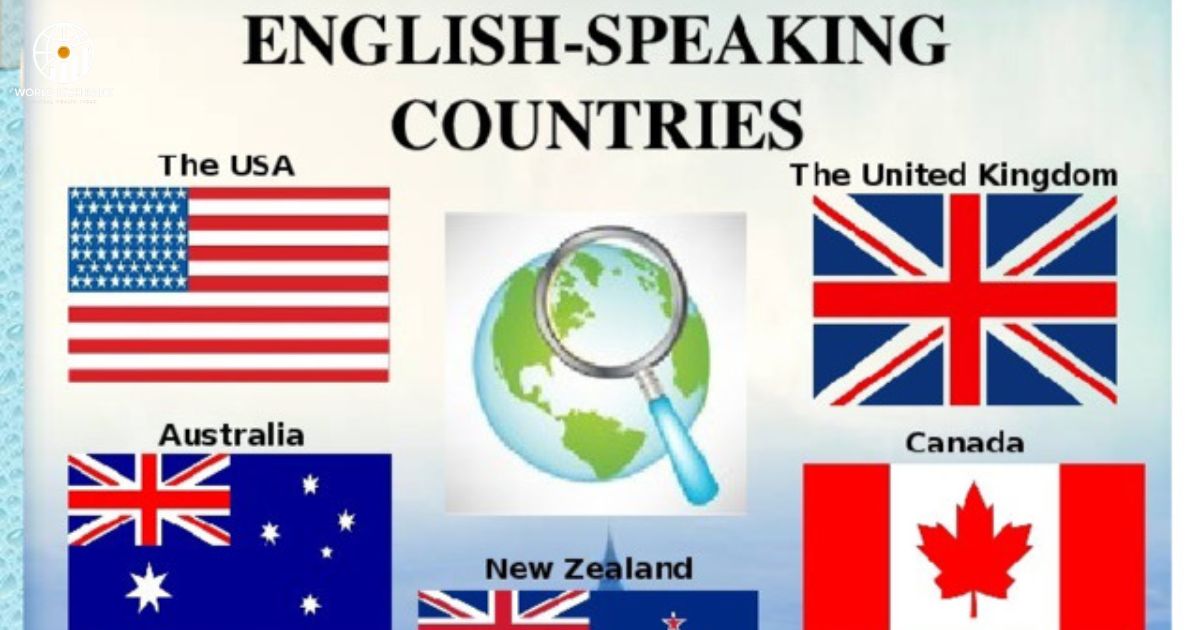
Choosing the best English-speaking country to live or move to in 2026 depends on factors such as job opportunities, cost of living, healthcare, education, safety, immigration options, and overall quality of life. English-speaking destinations can offer a smoother transition for international workers, students, families, and retirees because language barriers are generally lower in everyday life.
Countries such as Canada, Australia, New Zealand, the United Kingdom, Ireland, and the United States remain popular choices, while other destinations may appeal to people looking for lower living costs, warmer climates, or different lifestyle opportunities. However, the “best” country is not the same for everyone. A highly paid professional may prioritize salaries and career growth, while a family may focus more on schools, healthcare, housing, and safety. This Top 10 Best English-Speaking Countries to Live and Move in 2026 guide compares leading destinations and highlights what makes each one attractive for potential newcomers.
Trending Today ; Healthiest Countries in the World: Global Ranking for 2026
What Does “English-Speaking” Mean?
“English-speaking” can describe countries where English is an official language, the main language used in daily life, or a place where most people can communicate comfortably in English. For people planning to move abroad, it is useful to distinguish between countries where English is legally recognized and countries where English is widely understood despite not being an official language.
Official English-Speaking Countries
Official English-speaking countries are places where English has official or legally recognized status and is commonly used in government, education, business, and public communication. Well-known examples include the United States, United Kingdom, Canada, Australia, New Zealand, Ireland, and Malta. Several Caribbean, African, and Pacific countries also use English as an official language. However, having English as an official language does not necessarily mean that every resident speaks it as their first language. Many of these countries are multilingual, with local, Indigenous, or regional languages also widely used. For immigrants, the major advantage is that English can generally be used for essential services, employment, education, and everyday communication.
English-Friendly Countries (High English Proficiency)
English-friendly countries are destinations where English may not be an official language but is widely understood and spoken, particularly in business, education, tourism, and professional settings. These countries can be attractive to English-speaking migrants because everyday communication may be relatively easy even without learning the local language immediately.
Countries such as the Netherlands, Sweden, Denmark, Norway, Finland, Germany, Austria, and Singapore are often recognized for strong English proficiency or widespread English use. Younger people and highly educated residents are especially likely to communicate effectively in English. However, English proficiency does not eliminate the importance of learning the local language. Government paperwork, healthcare, employment regulations, housing, and long-term integration may still require knowledge of the national language.
How We Ranked the Best English-Speaking Countries to Live
To rank the best English-speaking countries to live and move to in 2026, we considered more than whether English is an official language. A good relocation destination should provide a practical combination of employment opportunities, affordability, safety, healthcare, education, infrastructure, quality of life, and accessibility for international residents. We also considered how easy it is for newcomers to communicate in English, whether English is widely used in professional and everyday settings, and the country’s appeal to families, retirees, students, and remote workers. Cost of living was treated as an important factor because housing, food, transportation, and everyday expenses can significantly affect the experience of moving abroad. Immigration and residency opportunities were also considered because a country may be highly attractive but difficult for newcomers to enter permanently. Finally, we looked at lifestyle diversity, from highly developed urban economies to quieter destinations with lower living costs. These factors help create a more balanced ranking rather than simply listing countries where English is commonly spoken.
- English accessibility: How widely English is spoken and understood in everyday and professional settings.
- Cost of living: Housing, transportation, food, utilities, and other regular expenses.
- Job opportunities: Employment prospects, salaries, major industries, and demand for skilled workers.
- Quality of life: Overall living standards, infrastructure, leisure opportunities, and community environment.
- Healthcare: Accessibility, quality, and reliability of healthcare services.
- Safety and stability: Personal safety, political stability, and general security.
- Immigration appeal: Availability of residence, work, study, and longer-term migration pathways.
Best English-Speaking Countries Compared
The countries below offer different advantages for people planning to move abroad in 2026. Some are ideal for families and skilled professionals, while others stand out for retirees, remote workers, or people seeking a lower cost of living.
| Country | English Status | Cost of Living | Best For |
| Netherlands | Widely spoken (not official) | High | Expats, families |
| Sweden | Widely spoken (not official) | High | Expats, families |
| Denmark | Widely spoken (not official) | High | Expats, families |
| Norway | Widely spoken (not official) | High | Expats, families |
| Finland | Widely spoken (not official) | High | Expats, families |
| Belgium | Widely spoken (not official) | Medium | Expats, families |
| Singapore | Official | High | Expats, families |
| Portugal | Widely spoken (English-proficient) | Low | Retirees, remote workers |
| India | Official/co-official | Low | Expats, remote workers |
| Philippines | Official/co-official | Low | Retirees, remote workers |
| Malaysia | Widely spoken | Low | Retirees, remote workers |
| Australia | English is the primary language | High | Expats, families |
| Canada | English is an official language | Medium | Expats, families |
| New Zealand | English widely used | Medium | Expats, families |
| United Kingdom | English is the primary language | High | Expats, families |
| Ireland | English is an official language | Medium | Expats, retirees |
Top 10 Best Countries for English Speakers in 2026

Choosing the best English-speaking country to live or move to in 2026 depends on more than language. Job opportunities, salaries, housing, healthcare, safety, immigration rules, education, and lifestyle can all influence the decision. Countries such as the United States, Canada, the United Kingdom, Ireland, Australia, and New Zealand offer established English-speaking environments, while the Netherlands, Portugal, Singapore, and the UAE provide attractive alternatives for international residents.
Each destination has its own strengths and challenges. Some are better for career growth and high salaries, while others may appeal more to families, retirees, remote workers, students, or entrepreneurs. This guide compares ten leading destinations and highlights the key factors English speakers should consider before choosing where to live, work, study, or build a new life in 2026.
United States
The United States remains a major destination for English speakers because of its enormous economy, diverse job market, prestigious universities, and wide range of lifestyles. From global cities such as New York, Los Angeles, Boston, Chicago, and Seattle to growing cities such as Austin, Denver, and Nashville, newcomers can find very different living environments. English dominates everyday communication, education, business, entertainment, and professional life.
The country offers particularly strong opportunities in technology, healthcare, finance, engineering, education, construction, and professional services, with highly qualified workers often able to access competitive salaries. However, living costs differ dramatically by location, and housing can be extremely expensive in major metropolitan areas.
Healthcare is another major consideration because private insurance and medical treatment can be costly without suitable coverage. Immigration is also challenging, as employment, family, study, investment, and permanent-residence pathways have specific requirements. Despite these difficulties, the United States continues to attract professionals, students, entrepreneurs, and families because of its economic scale, cultural diversity, and extensive opportunities.
- Language: English is the dominant language for everyday communication, education, business, entertainment, and most professional environments.
- Cost of Living: High – Costs vary significantly by state and city. Major locations such as New York, San Francisco, Los Angeles, and Boston can be particularly expensive.
- Healthcare: Private, costly – The country has advanced medical facilities and specialists, but insurance is important because healthcare expenses can be substantial.
- Safety: Moderate – Safety varies considerably between states, cities, and neighborhoods, so location should be researched carefully before moving.
- Visa & Immigration: Challenging – The United States has employment, student, family, investment, and other visa pathways, but eligibility requirements can be strict.
- Jobs & Salaries: Excellent – Strong opportunities exist in technology, healthcare, finance, engineering, construction, education, logistics, and professional services.
- Best For: Professionals, skilled workers, entrepreneurs, students, and families seeking access to a large economy and extensive career opportunities.
Canada
Canada is one of the most attractive destinations for English speakers seeking a combination of career opportunities, multicultural communities, public services, and long-term settlement possibilities. English is one of the country’s two federal official languages and is the main language across most provinces and major cities outside predominantly French-speaking areas.
Toronto, Vancouver, Calgary, Ottawa, Edmonton, and Halifax all have large international communities, making it easier for newcomers to find English-speaking services and social networks. Canada has employment opportunities in technology, healthcare, engineering, finance, construction, education, transportation, and skilled trades. International students are also attracted by Canadian universities and colleges, although tuition and living expenses can be significant. The country’s publicly funded healthcare system is another important advantage for eligible residents, although access and coverage can differ by province.
Housing is one of the biggest challenges, particularly in Toronto and Vancouver, where rental and property prices can be very high. Smaller cities and communities may offer more affordable alternatives. Canada also has several immigration pathways, including economic and provincial programs, but applicants must meet changing eligibility requirements and some programs can be competitive. The country’s cold winters may also require adjustment for newcomers from warmer climates. Overall, Canada offers English-language accessibility, economic opportunities, multicultural communities, and a strong quality of life.
- Language: English and French are the two federal official languages, with English dominant in most provinces.
- Cost of Living: Medium to high – Housing is particularly expensive in Toronto, Vancouver, and some other major urban areas.
- Healthcare: Publicly funded – Eligible residents can access provincial healthcare systems, although services and eligibility can differ by province.
- Safety: Generally high – Canada is widely regarded as a safe country, although crime levels naturally vary between communities.
- Visa & Immigration: Moderate to challenging – Skilled-worker, provincial, family, study, and other immigration routes are available.
- Jobs & Salaries: Strong – Technology, healthcare, engineering, construction, finance, education, and skilled trades offer significant opportunities.
- Best For: Families, skilled workers, students, professionals, and long-term immigrants looking for an English-friendly and multicultural environment.
United Kingdom
The United Kingdom remains a natural choice for English speakers because English is deeply established across daily communication, education, business, government, media, and culture. London is one of the world’s major financial and professional centers, while Manchester, Birmingham, Edinburgh, Glasgow, Bristol, Leeds, and Liverpool provide alternative locations with different employment opportunities and living costs.
The UK has a strong economy and offers career opportunities in finance, technology, healthcare, engineering, education, creative industries, hospitality, and professional services. Its universities are internationally respected, attracting students from around the world. The country also has extensive public transportation, allowing residents in many cities to live without owning a car. Healthcare is supported by the publicly funded NHS, although waiting times and access can vary. Housing remains one of the largest concerns, particularly in London and parts of southern England.
People looking for lower costs may find better options in northern England, Wales, Scotland, or smaller cities. The UK also has several immigration pathways for workers, students, families, and other qualifying applicants, although requirements can be demanding. Its multicultural population and long-established international communities can make settling easier for newcomers. For English speakers seeking a developed economy, strong educational institutions, cultural diversity, and extensive professional opportunities, the UK remains one of the leading choices in 2026.
- Language: English is the primary language used throughout everyday life, business, education, media, and most public communication.
- Cost of Living: High – London is particularly expensive, while many cities outside the capital provide comparatively lower housing costs.
- Healthcare: Publicly funded through the NHS – Residents can access public healthcare, while private healthcare provides additional options.
- Safety: Generally high – Most communities are safe, although crime levels vary between cities and neighborhoods.
- Visa & Immigration: Moderate to challenging – Work, study, family, and other visa routes are available depending on individual circumstances.
- Jobs & Salaries: Strong – Finance, technology, healthcare, education, engineering, professional services, and creative industries provide opportunities.
- Best For: Professionals, students, families, skilled workers, and international residents seeking an established English-speaking European destination.
Ireland
Ireland, often called the Emerald Isle, offers English speakers a combination of beautiful landscapes, modern business opportunities, and strong cultural traditions. English is widely used in everyday life, while the country’s friendly communities and international population can make it comfortable for newcomers. Dublin has developed into an important European hub for technology, finance, pharmaceuticals, and professional services, while Cork, Galway, Limerick, and other cities provide alternatives to the capital.
Ireland’s membership of the European Union also makes it particularly interesting for eligible EU citizens and international companies seeking an English-speaking base within the EU. Outside work, residents can enjoy dramatic coastlines, green countryside, historic castles, music, literature, sports, and a strong social culture. The main challenges include high housing costs and limited rental availability in some popular areas, particularly Dublin.
Healthcare combines public and private services, and some residents choose private insurance for additional access. Ireland also has employment-based immigration options for non-EU nationals, including routes for certain skilled professionals. Its relatively small size makes exploring the country convenient, while its European location provides easy connections to other destinations. For English speakers who want an international career, European lifestyle, and welcoming social environment, Ireland is a particularly attractive option in 2026.
- Language: English is an official language alongside Irish, and English is the dominant language used in everyday communication.
- Cost of Living: High – Dublin is particularly expensive, with housing and rent representing major expenses for newcomers.
- Healthcare: Public and private – Ireland provides public healthcare services alongside a substantial private healthcare sector.
- Safety: Very high – Ireland is generally regarded as a safe country, although normal urban and personal-safety precautions remain important.
- Visa & Immigration: Moderate to challenging – EU/EEA citizens have different rights from non-EU nationals, while skilled workers can qualify through employment-permit routes.
- Jobs & Salaries: Strong – Technology, pharmaceuticals, finance, healthcare, engineering, and professional services provide important employment opportunities.
- Best For: Tech professionals, skilled workers, families, students, and people wanting an English-speaking base within Europe.
Australia
Australia is frequently considered one of the world’s best countries for quality of life because it combines a developed economy, English-speaking environment, multicultural cities, and extensive natural beauty. Sydney, Melbourne, Brisbane, Perth, Adelaide, and Canberra each offer different employment and lifestyle advantages.
The country has strong industries in healthcare, technology, engineering, construction, mining, education, finance, hospitality, and skilled trades. Australia is also known for its relaxed outdoor culture, with beaches, national parks, sports, and warm-weather activities forming an important part of daily life. Major cities offer modern infrastructure, universities, public transportation, restaurants, and diverse international communities.
The cost of living can be high, particularly in Sydney and Melbourne, where housing is a major expense. Healthcare is supported by Medicare for eligible residents, while private insurance is also widely used. Australia’s immigration system includes skilled migration, employer-sponsored routes, family pathways, and other visa categories, although eligibility and quotas can make some routes competitive. International students can also find extensive educational opportunities. The country’s geographical distance from Europe and North America may be a disadvantage for people who frequently travel internationally. Nevertheless, Australia remains highly attractive to English-speaking professionals and families who value career opportunities, safety, outdoor living, and a multicultural society.
- Language: English is the dominant language used in everyday communication, education, employment, and public life.
- Cost of Living: High – Sydney and Melbourne are particularly expensive, while Brisbane, Adelaide, and some regional locations can offer alternatives.
- Healthcare: Public and private – Medicare provides healthcare coverage for eligible residents, with private insurance offering additional services.
- Safety: Very high – Australia generally offers a safe living environment, although safety naturally varies by location.
- Visa & Immigration: Moderate to challenging – Skilled, employer-sponsored, family, student, and other visa pathways are available.
- Jobs & Salaries: Strong – Healthcare, technology, construction, engineering, mining, education, and skilled trades offer significant opportunities.
- Best For: Skilled professionals, families, students, outdoor enthusiasts, and people seeking a high-quality lifestyle.
New Zealand
New Zealand is an appealing destination for English speakers who want a peaceful lifestyle, beautiful surroundings, strong public services, and relatively smaller cities. English dominates everyday communication, making the transition easier for international residents. Auckland is the country’s largest urban center and an important business hub, while Wellington, Christchurch, Hamilton, and other cities offer different employment and lifestyle options.
New Zealand’s economy provides opportunities in healthcare, construction, agriculture, tourism, technology, engineering, education, and professional services. One of the country’s biggest attractions is its natural environment, with mountains, beaches, forests, lakes, hiking trails, and national parks close to many communities. The country is also known for its relaxed atmosphere and outdoor culture. Living costs can nevertheless be significant, particularly in Auckland and other high-demand areas, and housing affordability is an important consideration. Public healthcare is available to eligible residents, while private healthcare provides additional choices.
New Zealand has several immigration routes, including skilled and employer-supported pathways, but applicants must satisfy changing eligibility criteria. Its smaller population and distance from major international markets can be disadvantages for people seeking the huge career markets available in countries such as the United States. For families, skilled professionals, and nature lovers, however, New Zealand offers an appealing balance between work, community, safety, and outdoor living.
- Language: English is the dominant language in everyday communication, workplaces, education, and public life.
- Cost of Living: Medium to high – Auckland and other popular locations can be expensive, particularly for housing.
- Healthcare: Public and private – Eligible residents can access publicly funded healthcare, while private services offer additional choices.
- Safety: Very high – New Zealand generally provides a safe and stable environment for residents and families.
- Visa & Immigration: Moderate to challenging – Skilled, employer-supported, family, student, and other immigration routes are available.
- Jobs & Salaries: Good – Healthcare, construction, agriculture, tourism, engineering, technology, and education provide important opportunities.
- Best For: Families, skilled professionals, students, outdoor enthusiasts, and people seeking a quieter English-speaking lifestyle.
Netherlands
The Netherlands is an excellent option for English-speaking expats who want to live in Europe while benefiting from an international and highly connected environment. Dutch is the official language, but English proficiency is exceptionally widespread, particularly among younger people, university students, professionals, and residents of major cities. Amsterdam, Rotterdam, The Hague, Utrecht, Eindhoven, and other urban centers have large international communities and multinational employers.
The country has strong industries in technology, finance, logistics, engineering, research, agriculture, design, and international business. Its universities also offer numerous programs taught in English, making it attractive to international students. The Netherlands is well known for cycling infrastructure, efficient public transportation, organized cities, and a strong work-life balance. Healthcare is based around a regulated insurance system, and residents are generally required to arrange appropriate health insurance.
Housing can be one of the biggest challenges, particularly in Amsterdam and other high-demand cities where rental supply can be limited and prices are high. The country’s compact geography makes travel relatively convenient, both domestically and to neighboring European countries. Non-EU nationals generally need an appropriate residence and work route, and highly skilled migrants may qualify through specific programs. The Netherlands can therefore be particularly attractive to international professionals who value career opportunities, infrastructure, English accessibility, and European connectivity.
- Language: Dutch is the official language, but English is extremely widely spoken, especially in cities, universities, and international workplaces.
- Cost of Living: High – Housing is a major expense in Amsterdam, Utrecht, Rotterdam, The Hague, and other popular areas.
- Healthcare: High quality – Residents generally arrange mandatory health insurance through the country’s regulated healthcare system.
- Safety: High – The Netherlands generally provides a safe and stable environment with well-developed public infrastructure.
- Visa & Immigration: Moderate to challenging – EU citizens have different rights, while non-EU nationals generally need an appropriate residence or work permit.
- Jobs & Salaries: Strong – Technology, finance, logistics, engineering, research, and international business offer many opportunities.
- Best For: International professionals, skilled workers, students, families, and expats seeking an English-friendly European lifestyle.
Portugal
Portugal has become a popular destination for English-speaking expats because of its relatively attractive living costs compared with several Western European countries, pleasant climate, coastal scenery, and established international communities. Portuguese is the official language, but English is widely understood in major cities, tourism centers, universities, and popular expat destinations.
Lisbon and Porto are important economic and cultural centers, while the Algarve is particularly popular with international residents and retirees. Portugal provides opportunities in technology, tourism, hospitality, customer service, international business, and other growing sectors. The country’s climate and relaxed lifestyle are major attractions, with beaches, historic towns, outdoor cafés, and a strong food culture. Housing can be more affordable than in some major Western European capitals, although Lisbon, Porto, and desirable coastal areas have experienced substantial housing demand and price increases.
Public healthcare is available, while private healthcare is also widely used. Portugal has residence and immigration pathways for different categories of international residents, although rules and requirements can change. Remote workers and retirees may find the lifestyle especially appealing, while local salaries can be lower than those in northern Europe or countries such as the United States and Australia. Public transportation is well developed in major cities, although a car can be useful in smaller towns and rural areas. For English speakers seeking sunshine, European culture, and a comparatively relaxed lifestyle, Portugal remains an attractive choice in 2026.
- Language: Portuguese is official, while English is widely spoken in major cities, tourism areas, international businesses, and expat communities.
- Cost of Living: Low to medium compared with many Western European destinations, although Lisbon and popular coastal areas can be expensive.
- Healthcare: Public and private – Residents can access public healthcare services, while private providers offer additional options.
- Safety: Very high – Portugal is widely regarded as a safe country with a relatively peaceful lifestyle.
- Visa & Immigration: Moderate – Different residence pathways exist depending on nationality, employment, income, family, and other circumstances.
- Jobs & Salaries: Moderate – Technology, tourism, hospitality, international services, and remote work provide opportunities, although local wages may be lower than in northern Europe.
- Best For: Retirees, remote workers, families, expats, and people seeking a warm and relaxed European lifestyle.
Singapore
Singapore is one of Asia’s strongest destinations for English-speaking professionals because English plays a central role in government, education, business, and professional communication. It is a highly developed city-state with excellent infrastructure, efficient public transportation, advanced digital services, and a strong international economy.
Singapore’s strategic location has helped it become an important hub for finance, technology, logistics, aviation, healthcare, education, and international business. The country is highly multicultural, with Chinese, Malay, Indian, and other communities contributing to its diverse social environment. English is one of the country’s official languages and is widely used in schools and workplaces, making it particularly comfortable for international professionals. Singapore is also known for its high level of public safety, cleanliness, and efficient administration.
However, these advantages come with a high cost of living. Housing can be expensive, and private transportation is particularly costly because of the country’s vehicle-control policies. Healthcare is highly developed, with both public and private providers, while residents use a combination of government-supported schemes and personal or employer arrangements. Immigration generally depends on employment, qualifications, family relationships, investment, or other approved routes, so long-term residence is not automatic. The tropical climate is another consideration, as Singapore remains hot and humid throughout the year. For professionals and entrepreneurs who prioritize safety, international business, infrastructure, and English-language accessibility, Singapore is a leading Asian destination.
- Language: English is one of Singapore’s four official languages and is widely used in education, government, business, and professional life.
- Cost of Living: High – Housing, dining in certain areas, and especially private vehicle ownership can be expensive.
- Healthcare: High quality – Singapore has advanced public and private healthcare systems and strong medical infrastructure.
- Safety: Very high – The country is internationally recognized for its low crime levels and highly organized public environment.
- Visa & Immigration: Moderate to challenging – Employment passes, family routes, and other residence options are available depending on qualifications and circumstances.
- Jobs & Salaries: Excellent – Finance, technology, logistics, healthcare, engineering, and international business provide strong career opportunities.
- Best For: Professionals, entrepreneurs, international executives, skilled workers, and families seeking a highly developed Asian business hub.
United Arab Emirates (UAE)
The United Arab Emirates is a major destination for English-speaking expats who want access to international business, modern infrastructure, tax advantages, and a large expatriate community. Arabic is the official language, but English is extremely widespread in Dubai, Abu Dhabi, and other major commercial centers, particularly in workplaces, retail, tourism, healthcare, education, and professional services.
Dubai is a global hub for finance, real estate, tourism, aviation, technology, and entrepreneurship, while Abu Dhabi has a particularly strong presence in government, energy, finance, and investment. The UAE’s modern cities offer high-quality roads, airports, shopping centers, restaurants, international schools, hospitals, and residential developments. A major attraction for many professionals is the country’s lack of federal personal income tax on individual employment income, although residents should still understand other taxes, fees, and financial obligations that may apply. Housing costs vary considerably depending on the emirate and neighborhood, with premium areas of Dubai and Abu Dhabi being expensive.
Healthcare is modern and widely available through public and private providers, while health insurance is an important consideration for residents. The climate is another major factor, with extremely hot summers and warm winters. The UAE also offers several residence pathways connected to employment, business, investment, family sponsorship, and other qualifying circumstances. Its huge international population means newcomers can often find English-speaking communities quickly. For professionals, entrepreneurs, investors, and international workers seeking a modern global business environment, the UAE remains one of the strongest options in 2026.
- Language: Arabic is the official language, while English is extremely widely used in business, tourism, retail, healthcare, education, and everyday expat life.
- Cost of Living: Medium to high – Dubai and Abu Dhabi can be expensive, particularly for housing, international schools, and premium services.
- Healthcare: High quality – The UAE has modern public and private hospitals, clinics, and specialist medical services.
- Safety: Very high – The UAE is widely regarded as one of the safer destinations for international residents.
- Visa & Immigration: Moderate – Residence is commonly connected to employment, family sponsorship, business, investment, or other qualifying categories.
- Jobs & Salaries: Strong – Finance, technology, construction, aviation, real estate, hospitality, healthcare, and professional services offer many opportunities.
- Best For: Professionals, entrepreneurs, investors, skilled workers, and international businesspeople seeking a modern English-friendly environment with no federal personal income tax on individual employment income.
How to choose which country is right for you?
How to Choose Which Country Is Right for You?
Career Opportunities vs. Lifestyle: Your first consideration should be whether a country supports your professional goals while also offering the lifestyle you actually want. Countries such as the United States, Australia, Canada, Singapore, and the Netherlands can provide strong opportunities in technology, healthcare, finance, engineering, education, and other professional sectors. However, a high salary does not automatically mean a better quality of life. Major cities may offer excellent employment opportunities while also bringing expensive housing, long commutes, and a faster pace of life. If career growth is your priority, compare salaries, unemployment levels, demand for your profession, workplace culture, and opportunities for advancement. If lifestyle matters more, consider working hours, commuting, recreation, community, and work-life balance. A smaller city in a country with slightly lower salaries may ultimately suit you better than an expensive global city with higher earnings. Think about what you want your ordinary weekday and weekend to look like, rather than choosing a destination only because it has a strong economy.
Climate and Environment: Climate can have a surprisingly large effect on your happiness after moving abroad. Someone who enjoys sunshine, beaches, and warm weather may prefer Australia, Portugal, Singapore, or the United Arab Emirates, while someone who enjoys cooler temperatures and distinct seasons may feel more comfortable in Canada, the United Kingdom, Ireland, or New Zealand. The Netherlands also offers a relatively mild European climate, although it is known for cloudy and rainy weather. Consider more than average temperatures when comparing destinations. Look at rainfall, humidity, winter conditions, summer heat, daylight hours, air quality, natural surroundings, and exposure to extreme weather. Your preferred environment should also match your lifestyle. Outdoor enthusiasts may value access to beaches, mountains, forests, hiking trails, and parks, while city-focused professionals may care more about public transportation, restaurants, cultural attractions, and entertainment. If you have children, environmental factors can also influence the type of activities and schooling available. Visiting a country during different seasons before committing to a permanent move can help you understand whether its climate is genuinely suitable for you.
Cost of Living vs. Earnings: Never compare countries by salary alone. A job paying significantly more may not leave you with more disposable income if rent, transportation, healthcare, childcare, taxes, groceries, and other everyday expenses are also much higher. For example, a professional may earn an attractive salary in a major city but spend a large percentage of it on accommodation. On the other hand, a country with lower average wages can sometimes provide a comfortable lifestyle when housing and everyday expenses are comparatively affordable. Make a personal monthly budget before choosing your destination. Include rent or mortgage payments, utilities, food, transportation, health insurance, taxes, education, childcare, entertainment, travel, and savings. Then compare your expected net income rather than your gross salary. It is also useful to investigate whether your profession is paid at the same level as the country’s national average. Some countries have excellent salaries for highly skilled workers but relatively modest wages in other sectors. Remote workers should additionally consider taxation, currency exchange, banking, and residence rules. The best destination is often the place where your expected income provides the strongest combination of comfort, savings, and financial security.
Family and Children: If you are moving with a spouse or children, your priorities may be very different from those of a single professional. Look carefully at school quality, childcare costs, healthcare access, housing size, neighborhood safety, transportation, and family activities. Canada, Australia, New Zealand, Ireland, and the United Kingdom can appeal to families because they offer established education systems, healthcare services, and multicultural communities. However, the best option depends on your children’s ages and your family’s specific needs. International schools can be particularly important for children who do not speak the local language, but their fees can be substantial in some destinations. Also consider whether your spouse or partner will be permitted to work and whether dependent children receive appropriate residence and education rights. Housing is another major consideration because families generally require more space than single residents. A city with excellent employment opportunities may become less attractive if suitable family housing is unaffordable or schools are difficult to access. Before moving, research the actual neighborhoods where you could realistically live rather than judging an entire country by its national averages. A family-friendly location should provide a practical combination of education, safety, healthcare, housing, recreation, and employment opportunities for the whole household.
Cultural Fit and Language: Being able to speak English makes relocation considerably easier, but language is only one part of cultural compatibility. Even among English-speaking countries, communication styles, workplace expectations, social customs, humor, attitudes toward personal space, and approaches to time can differ considerably. Countries such as the United States, Canada, Australia, the United Kingdom, Ireland, and New Zealand offer environments where English dominates everyday communication, while destinations such as the Netherlands, Portugal, Singapore, and the UAE are highly international but have their own local languages and cultural traditions. Consider whether you enjoy multicultural environments or would rather live somewhere with a stronger local identity. Think about food, religion, social life, public behavior, workplace culture, and community expectations. If you plan to stay for many years, learning the local language can also improve your social connections and integration, even when English is widely understood. Cultural comfort can determine whether a move feels exciting or exhausting after the initial honeymoon period. Try to speak with people already living in your preferred destination and, if possible, spend enough time there to experience normal daily life rather than only visiting tourist attractions.
Immigration Pathways: A country may look perfect on paper but still be unsuitable if you cannot obtain a realistic visa or residence permit. Before choosing a destination, investigate the immigration pathway that applies specifically to your situation. Skilled workers may have different options from students, entrepreneurs, investors, retirees, remote workers, or people joining family members. Pay attention to eligibility requirements, job offers, minimum salaries, qualifications, language tests, financial requirements, health checks, documentation, application fees, processing times, and pathways to permanent residence. Also check whether your profession is included in shortage or skilled-occupation lists where relevant. Immigration policies can change, so information from several years ago may no longer accurately describe the current rules. Avoid choosing a country solely because someone online says that immigration is “easy.” A pathway can be straightforward for one applicant and unavailable to another because of nationality, age, occupation, qualifications, or family circumstances. Consider your long-term goal as well. If you want permanent residence or citizenship eventually, research whether the country offers a realistic route and what obligations you will need to meet. Immigration feasibility should be evaluated before making major financial or career commitments.
Personal Interests: Finally, think about the life you actually want to build. Personal interests can be just as important as salary or immigration status when determining whether you will enjoy living somewhere for years. If you love beaches and outdoor activities, Australia, Portugal, and New Zealand may be appealing. If you prefer major financial and technology centers, the United States, Singapore, the Netherlands, and the United Kingdom may offer stronger possibilities. Someone interested in European history and culture might prefer Ireland, the UK, the Netherlands, or Portugal, while an entrepreneur may prioritize countries with strong international business ecosystems. Consider hobbies, sports, food, travel, nightlife, nature, arts, community, and proximity to family and friends. Think about how easily you can continue the activities that make you happy. Also consider how often you expect to travel back home and how expensive those journeys will be. A country that looks excellent in rankings may not feel right personally. The ideal destination is the one that matches your professional ambitions, financial situation, family needs, personality, climate preferences, cultural expectations, and long-term plans. Taking time to evaluate these factors together can help you make a more confident relocation decision rather than simply following a generic “best country” ranking.
Frequently Asked Questions
Which English-speaking country has the lowest cost of living?
Among the countries on this list, Portugal generally offers one of the lower costs of living, especially compared with the United States, Canada, Australia, Singapore, and the UK. However, costs vary significantly by city, housing, lifestyle, and income. Portugal can be particularly attractive for retirees, remote workers, and people who prioritize a relaxed lifestyle over high local salaries.
What is the easiest country to immigrate to as an English speaker?
There is no single country that is easiest for everyone because immigration rules depend on your nationality, education, occupation, finances, age, and purpose of moving. Canada, Australia, New Zealand, Ireland, and Portugal can offer different pathways for skilled workers, students, families, or other eligible applicants. The best option is usually the country where your qualifications and circumstances match an available visa route.
Do I need to learn a new language when moving to an English-friendly country?
Not necessarily. Countries such as the United States, Canada, the UK, Ireland, Australia, and New Zealand allow most daily activities to be handled in English. English is also widely used in places such as the Netherlands, Portugal, Singapore, and the UAE. However, learning the local language can make it easier to build relationships, understand local culture, access certain jobs, and complete long-term integration or citizenship requirements.
How do I choose which country is right for me?
Start by comparing your most important priorities, including career opportunities, salary potential, cost of living, healthcare, safety, climate, family needs, lifestyle, and immigration options. A country with excellent salaries may have expensive housing, while a cheaper country may offer fewer job opportunities. Make a shortlist of two or three countries and compare them based on your actual budget, career goals, preferred climate, and long-term plans before making a decision.
Can I keep my citizenship if I become a citizen of another country?
It depends on the laws of both countries. Some countries allow dual citizenship, while others require you to give up your original citizenship or may place restrictions on holding another nationality. Before applying for citizenship elsewhere, check the nationality laws of your current country and the country where you want to naturalize. Also consider rules concerning passports, taxes, military obligations, and travel rights.

Stoke is a passionate writer and researcher focused on the world’s richest countries, global wealth, economies, and country rankings. He creates clear, easy-to-understand content to help readers explore global economic trends.